

Retirement isn’t the end of the road — it’s the beginning of a new chapter filled with endless possibilities. The earlier you start planning, the more time becomes your greatest ally. Whether you’re just starting your career or approaching retirement, now is the perfect moment to take the first step. With the right strategies, you can build the retirement lifestyle you truly desire.

Allianz Dynamic Multi-Asset SRI Funds
A smoother path to an ideal retirement life

The Allianz Dynamic Multi-Asset Strategy SRI (DMAS) series allows you to adjust your investment style and asset allocation flexibly as you move through different stages of life. Beyond traditional global equities and bonds, the portfolios tap into a wide range of growth and income opportunities, including high-yield bonds, inflation-linked bonds, real estate investment trusts (REITs), listed private equity, commodities and a variety of alternative assets — providing a holistic approach to building your retirement wealth.

Are you ready for retirement?

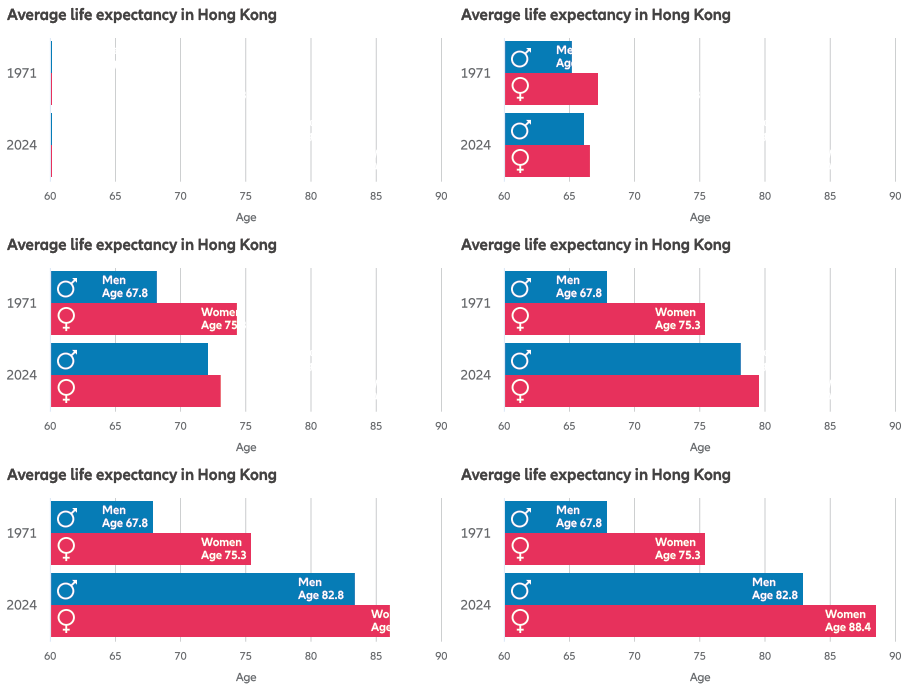
Hong Kong’s longevity is world-leading

Hong Kong people are living longer than ever — and that’s something to celebrate. But are you financially prepared for a much longer future?

Average life expectancy in Hong Kong is among the highest in the world, with men living an average of 82.8 years and women 88.4 years^.

A longer life brings more opportunities,
but it also means your retirement savings need to last much longer.

Inflation: How far will your spending power go over time?

If the long-term inflation rate stays at 4%, HK$100 this year would be worth only HK$46 in purchasing power 20 years later.

Without early planning and proper investing,
your retirement lifestyle could end up shrinking over time!

Wondering how to prepare for both longevity and inflation risk?

Find out more and start building a smoother, stronger retirement future.

^Source: Centre for Health Protection — Life Expectancy at Birth, 1971–2024

Four planning styles for ideal retirment

Investment in global equities and bonds in varying amounts

Allianz Dynamic Multi Asset Strategy SRI 15

Comparable with a portfolio comprised of 85% bonds and 15% equities.

Equity weighting:
0% - 35%
Volatility range:
3–7 %

Allianz Dynamic Multi Asset Strategy SRI 30

Comparable to a portfolio of 70 % bonds and 30 % equities.

Equity weighting:
0% - 55%
Volatility range:
4–10 %

Allianz Dynamic Multi Asset Strategy SRI 50

Comparable with a portfolio comprised of 50% bonds and 50% equities.

Equity weighting:
0% - 100%
Volatility range:
6–12 %

Allianz Dynamic Multi Asset Strategy SRI 75

Comparable with a portfolio comprised of 25% bonds and 75% equities.

Equity weighting:
0% - 125%1
Volatility range:
10–16 %

1 The equity weighting of the Allianz Dynamic Multi Asset Strategy SRI 75 can be increased to up to 125% through the use of derivatives.

Seize opportunities and invest responsibly

With the Allianz Dynamic Multi Asset Strategy SRI fund portfolio, investors may profit from a wide range of return opportunities.

The core portfolio of each fund focuses on global equities and bonds from developed countries, selected on the basis of SRI sustainability criteria.

Additional asset class convictions may be added to the portfolios from a risk and return perspective.

Why invest in Allianz Dynamic Multi-Asset SRI fund?

Allianz Dynamic Multi-Asset Strategy SRI Funds Q&A


Why DMAS?

The Allianz Dynamic Multi Asset Strategy SRI series is suitable for investors who wish to diversify their investments, who are seeking a dynamic allocation of asset class convictions, who are looking to help limit downside risk during times of market stress and who want to invest responsibly

#1

High flexibility

A high degree of freedom to uncover investment opportunities across the entire investment universe.

#2

Time-tested process

The investment strategy combines systematic and fundamental components with active risk management.

#3

Bundling global expertise

Globally active specialist teams with many years of expertise in the areas of multi-asset, equities, bonds and sustainability.

Investment strategy and fund management
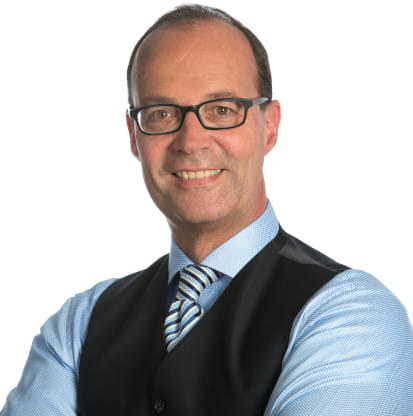
photo of Marcus Stahlhacke

Marcus Stahlhacke

Portfolio Manager for the Allianz Dynamic Multi Asset Strategy family

“Active asset allocation, individual stock selection and consistent risk management represent the core of our multi-asset expertise. We actively use trends in the equity and bond asset class convictions. We open up additional opportunities for returns by selecting individual stock and alternative investments. Risk management is an integral part of the investment process and aims to significantly reduce losses in the event of major market downturns.”


The funds aim to increase long-term capital growth over an entire market cycle by investing in a broad range of asset class convictions while at the same time mitigating downside risk when the markets come under heavy pressure. The funds benefit from diversification effects, as they are invested in a broad range of asset class convictions. The focus is on global equities and bonds that meet socially responsible investing (SRI) criteria. In the medium term, the funds are expected to achieve a performance that is comparable to that of a portfolio with a range of variation that corresponds to the risk appetite of the respective investor type. Additional investments in equities and bonds from emerging markets or high-yield bonds, alternative investments such as REITs1, inflation-linked bonds, listed private equity investments or commodities are expected to increase returns.

1 Real Estate Investment Trust

The funds are actively managed on a number of levels: the Fund Manager controls the weighting of the various asset class convictions as part of a dynamic investment process with the aim of achieving a higher return than with a static asset mix. Individual equities and bonds are actively selected on the basis of socially responsible investing (SRI) criteria, aiming to generate sustainable long-term value.

Our risk management is based on:

  • Active risk management with a value-at-risk approach is intended to reduce the likelihood of losses, whereby the risk budgets reflect the highs experienced during the previous 12 months.
  • Focus on volatility within certain ranges (volatility management)
All multi-asset portfolios at AllianzGI are managed by a global multi-asset team. We have more than 70+ years of experience in this area. With EUR 145 billion in mandates and funds in the multi-asset field, our team is one of the largest multi-asset solution management teams in Europe. The team currently consists of 83 investment professionals with an average of 21 years of industry experience.
The Allianz Dynamic Multi Asset Strategy SRI funds are managed by the Multi Asset Active Allocation Retail Team, which is made up of 10 portfolio managers with an average of 16 years of professional experience (as of July 2024), and led by Marcus Stahlhacke.

All data as at 30 September 2024

Allianz Global Investors

You are leaving this website and being re-directed to the below website. This does not imply any approval or endorsement of the information by Allianz Global Investors Asia Pacific Limited contained in the redirected website nor does Allianz Global Investors Asia Pacific Limited accept any responsibility or liability in connection with this hyperlink and the information contained herein. Please keep in mind that the redirected website may contain funds and strategies not authorized for offering to the public in your jurisdiction. Besides, please also take note on the redirected website’s terms and conditions, privacy and security policies, or other legal information. By clicking “Continue”, you confirm you acknowledge the details mentioned above and would like to continue accessing the redirected website. Please click “Stay here” if you have any concerns.

Welcome to Allianz Global Investors

Select your language
  • 中文(繁體)
  • English
Select Role
  • Individual Investor
  • Intermediaries
  • Other Investors
  • Pension Investors
  • Allianz Global Investors Fund (“AGIF”)

     • Allianz Global Investors Fund (“AGIF”) as an umbrella fund under the UCITS regulations has within it different Sub-Funds investing in fixed income securities, equities, and derivative instruments, each with a different investment objective and/or risk profile.

    All Sub-Funds may invest in financial derivative instruments (“FDI”) which may expose to higher leverage, counterparty, liquidity, valuation, volatility, market and over the counter transaction risks. A Sub-Fund’s net derivative exposure may be up to 50% of its net asset value (“NAV”). 

    Some Sub-Funds as part of their investments may invest in any one or a combination of the instruments such as fixed income securities, emerging market securities, and/or mortgage-backed securities, asset-backed securities, property-backed securities (especially REITs) and/or structured products and/or FDI, exposing to various potential risks (including leverage, counterparty, liquidity, valuation, volatility, market, fluctuations in the value of and the rental income received in respect of the underlying property, and over the counter transaction risks). 

    Some Sub-Funds may invest in single countries or industry sectors (in particular small/mid cap companies) which may reduce risk diversification. Some Sub-Funds are exposed to significant risks which include investment/general market, country and region, emerging market (such as Mainland China), creditworthiness/credit rating/downgrading, default, asset allocation, interest rate, volatility and liquidity, counterparty, sovereign debt, valuation, credit rating agency, company-specific, currency (in particular RMB), RMB debt securities and Mainland China tax risks. 

    Some Sub-Funds may invest in convertible bonds, high-yield, non-investment grade investments and unrated securities that may be subject to higher risks (including volatility, loss of principal and interest, creditworthiness and downgrading, default, interest rate, general market and liquidity risks) and therefore may adversely impact the net asset value of the Sub-Funds. Convertibles will be exposed prepayment risk, equity movement and greater volatility than straight bond investments.

    Some Sub-Funds may invest a significant portion of the assets in interest-bearing securities issued or guaranteed by a non-investment grade sovereign issuer (e.g. Philippines) and is subject to higher risks of liquidity, credit, concentration and default of the sovereign issuer as well as greater volatility and higher risk profile that may result in significant losses to the investors. 

    Some Sub-Funds may invest in European countries. The economic and financial difficulties in Europe may get worse and adversely affect the Sub-Funds (such as increased volatility, liquidity and currency risks associated with investments in Europe).

    Some Sub-Funds may invest in the China A-Shares market, China B-Shares market and/or debt securities directly via the Stock Connect or the China Interbank Bond Market or Bond Connect or other foreign access regimes and/or other permitted means and/or indirectly through all eligible instruments and thus is subject to the associated risks (including quota limitations, change in rule and regulations, repatriation of the Sub-Fund’s monies, trade restrictions, clearing and settlement, China market volatility and uncertainty, China market volatility and uncertainty, potential clearing and/or settlement difficulties, change in economic, social and political policy in the PRC and Mainland China tax risks).  

    Some Sub-Funds may adopt the following strategies, Socially Responsible Investment (Proprietary Scoring) Strategy, SDG-Aligned Strategy, Sustainability Key Performance Indicator Strategy (Relative), Green Bond Strategy, Multi Asset Sustainable Strategy, Sustainability Key Performance Indicator Strategy (Absolute Threshold), Environment, Social and Governance (“ESG”) Score Strategy, and Sustainability Key Performance Indicator Strategy (Absolute). The Sub-Funds may be exposed to sustainable investment risks relating to the strategies (such as foregoing opportunities to buy certain securities when it might otherwise be advantageous to do so, selling securities when it might be disadvantageous to do so, and/or relying on information and data from third party ESG research data providers and internal analyses which may be subjective, incomplete, inaccurate or unavailable and/or reducing risk diversifications compared to broadly based funds). Also, some Sub-Funds may be particularly focusing on the greenhouse gas emissions (“GHG”) efficiency of the investee companies rather than their financial performance. These may have an adverse impact on the performance of the Sub-Funds.

    Some Sub-Funds may invest in share class with fixed distribution percentage (Class AMf). Investors should note that fixed distribution percentage is not guaranteed. The share class is not an alternative to fixed interest paying investment. The percentage of distributions paid by these share classes is unrelated to expected or past income or returns of these share classes or the Sub-Funds. Distribution will continue even the Sub-Fund has negative returns and may adversely impact the net asset value of the Sub-Fund.  Positive distribution yield does not imply positive return.

    Investment involves risks that could result in loss of part or entire amount of investors’ investment.

    In making investment decisions, investors should not rely solely on this [website/material].


    Note: Dividend payments may, at the sole discretion of the Investment Manager, be made out of the Sub-Fund’s capital or effectively out of the Sub-Fund’s capital which represents a return or withdrawal of part of the amount investors originally invested and/or capital gains attributable to the original investment. This may result in an immediate decrease in the NAV per share and the capital of the Sub-Fund available for investment in the future and capital growth may be reduced, in particular for hedged share classes for which the distribution amount and NAV of any hedged share classes (HSC) may be adversely affected by differences in the interests rates of the reference currency of the HSC and the base currency of the respective Sub-Fund, particularly if such HSC are applying the IRD Neutral Policy. Dividend payments are applicable for Class A/AM/AMg/AMi/AMgi/AQ Dis (Annually/Monthly/Quarterly distribution) and for reference only but not guaranteed.  Positive distribution yield does not imply positive return. For details, please refer to the Sub-Fund’s distribution policy disclosed in the offering documents.


    Allianz Global Investors Asia Fund

    Allianz Global Investors Asia Fund (the “Trust”) is an umbrella unit trust constituted under the laws of Hong Kong pursuant to the Trust Deed. Allianz Thematic Income and Allianz Selection Income and Growth and Allianz Yield Plus Fund are the sub-funds of the Trust (each a “Sub-Fund”) investing in fixed income securities, equities and derivative instruments, each with a different investment objective and/or risk profile.

    Some Sub-Funds are exposed to significant risks which include investment/general market, company-specific, emerging market, creditworthiness/credit rating/downgrading, default, volatility and liquidity, valuation, sovereign debt, thematic concentration, thematic-based investment strategy, counterparty, interest rate changes, country and region, asset allocation risks and currency (such as exchange controls, in particular RMB), and the adverse impact on RMB share classes due to currency depreciation.  

    A Sub-Fund may invest in asset-backed securities (“ABS”) and mortgage-backed securities (“MBS”) which may be highly illiquid and prone to substantial price volatility. These instruments may be subject to greater general market risk, concentration risk, credit and counterparty default risk, liquidity risk and interest rate risk compared to other debt securities.

    Some Sub-Funds may invest in high-yield (non-investment grade and unrated) investments and convertible bonds which may be subject to higher risks, such as volatility, creditworthiness, default, interest rate changes, general market and liquidity risks and therefore may  adversely impact the net asset value of the Sub-Fund. 

    All Sub-Funds may invest in financial derivative instruments (“FDI”) which may expose to higher leverage, counterparty, liquidity, valuation, volatility, market and over the counter transaction risks.  The use of derivatives may result in losses to the Sub-Funds which are greater than the amount originally invested. A Sub-Fund’s net derivative exposure may be up to 50% of its net asset value (“NAV”).

    These investments may involve risks that could result in loss of part or entire amount of investors’ investment.

    In making investment decisions, investors should not rely solely on this website.

    Note: Dividend payments may, at the sole discretion of the Investment Manager, be made out of the Sub-Fund’s income and/or capital which in the latter case represents a return or withdrawal of part of the amount investors originally invested and/or capital gains attributable to the original investment. This may result in an immediate decrease in the NAV per distribution unit and the capital of the Sub-Fund available for investment in the future and capital growth may be reduced, in particular for hedged share classes for which the distribution amount and NAV of any hedged share classes (HSC) may be adversely affected by differences in the interests rates of the reference currency of the HSC and the base currency of the Sub-Fund, particularly if such HSC are applying the IRD Neutral Policy. Dividend payments are applicable for Class A/AM/AMg/AMi/AMgi Dis (Annually/Monthly distribution) and for reference only but not guaranteed.  Positive distribution yield does not imply positive return. For details, please refer to the Sub-Fund’s distribution policy disclosed in the offering documents.

Please indicate you have read and understood the Important Notice.