

Equity

Galloping ahead – what our China Equity team expects from the Year of the Horse

As China welcomes the Year of the Horse on 17 February 2026, anticipation is building. The Horse, symbolizing strength, freedom, and speed, points to a year likely marked by vitality and dynamic change. Traditionally, the Year of the Horse is associated with progress and noteworthy achievements. It embodies traits such as optimism and resilience, suggesting individuals and businesses alike may take a bold and energetic approach to new opportunities as they arise.

In this spirit, our China Equity Portfolio Management Team is pleased to share their expectations for the year ahead, what they are most looking forward to, and how they plan to navigate the opportunities and challenges of the Year of the Horse.
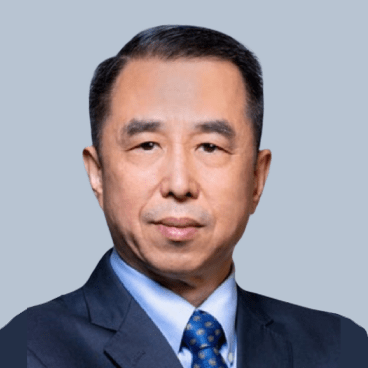
Shao Ping Guan
SHAO PING GUAN

Head of China Equity

I’m looking forward to a year packed with meaningful progress across policy, technology, and culture. Fiscal reforms could help shift local government focus from manufacturing toward services and consumption, while the expansion of the defined contribution pensions system strengthens both retirement security and capital markets. We may also see significant progress in strategic technologies – from DUV (deep ultra-violet) lithography, used in semiconductor manufacturing, to foundation AI models and World Model based autonomy in driving and robotics. Add in the potential for successful reusable rocket launches and the rise of grassroots sports leagues like the Jiangsu Football City League and the Guizhou Village League, and the year ahead promises plenty of positive momentum.
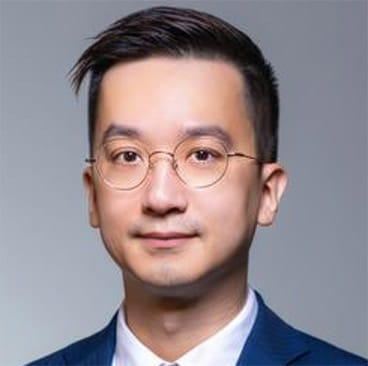
Kevin You
KEVIN YOU

Portfolio Manager

I’m looking forward to seeing China develop large-scale, fully automated AI factories. These “lights out” facilities would use advanced AI agents to manage production, coordinate robots, handle supplies, maintain equipment, and ensure quality. Linking these systems across industries would turn today’s factories into highly autonomous smart facilities. With China’s strong manufacturing base, robotics capacity, fast networks, and domestic AI models, this level of automation looks achievable – cutting costs, and strengthening control over core industrial technology.

CHRISTINA CHUNG
CHRISTINA CHUNG

Portfolio Manager

I recently toured a fast growing data center component maker’s factory, and the scale-up has been remarkable. The site now runs with more than 1,000 robotic arms, an evolution from their early adoption of robotics more than 15 years ago. In that time, the workforce has dropped 40% while revenue has climbed by a similar margin. They’ve recently opened a new Thailand facility for next gen products, though ramping up has been challenging due to a shortage of skilled engineers in control systems and process optimization. With more Chinese manufacturers expanding overseas, I plan to visit these new production hubs in the coming year which should reveal fascinating insights into how China’s industrial footprint is globalizing.
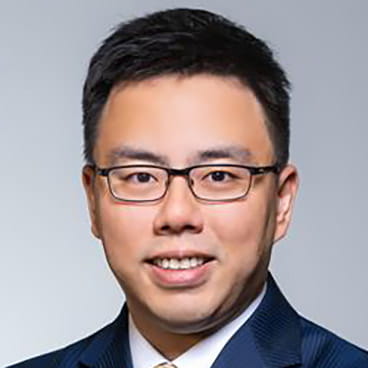
STEPHEN CHOW
STEPHEN CHOW

Portfolio Manager and Research Analyst

I’m excited for the upcoming launch of the highly anticipated foldable phone from the Cupertino based global smartphone leader, which is currently being produced in China. It’s expected to generate huge demand, marking one of the company’s most significant design advances in years, with a rumoured crease free display that showcases its trademark craftsmanship. The larger screen, combined with the brand’s intuitive operating system, could meaningfully boost productivity and create a standout user experience.

CATHERINE CHAN
CATHERINE CHAN

Research Analyst

A key trend in the coming year is likely to be the further rise in demand for commodities driven by new technology trends – AI, electric vehicles, charging networks, humanoid robots, and next generation batteries such as solid state technology. While many may see commodities as relatively dull and low growth, the build out of AI infrastructure, energy storage, and ultra high voltage transmission is sharply increasing the need for copper, aluminum, tungsten, and glass fibre. With global supply still tight, I’m looking forward to seeing metal prices push to new highs this year.

THOMAS ZHU
THOMAS ZHU

Research Analyst

One thing I look forward to is the upcoming launch of the third generation Optimus, Tesla’s humanoid robot. This new version is expected to deliver human level hand dexterity and learn autonomously by watching human demonstrations – bringing it much closer to becoming a truly capable, general purpose assistant for dangerous, repetitive, or mundane tasks. It also opens the door for Chinese industrial suppliers to benefit, leveraging their strength in high quality, low cost mass production as global demand for advanced robotics accelerates.

MANDY SHEK
MANDY SHEK

Research Analyst

Artificial Intelligence in China continues to gallop (pun intended), and we’ll likely see a wave of fresh large language model (LLM) updates around Chinese New Year and in the months ahead. The annual Spring Festival Gala should also bring more entertaining humanoid robot performances and interactive moments for viewers. As local LLM players close the gap with global peers, 2026 should deliver more consumer facing applications – making photo and video editing, food ordering, trip planning, and even e commerce purchases just a few clicks away. I’m excited to see how AI will keep shaping our daily lives.

ZICHEN XU
ZICHEN XU

Research Analyst

I see the coming year as one marked by rising optimism. After several years of cautious sentiment, Chinese households are turning more positive – moving savings into brokerage accounts and buying market linked insurance products. With property no longer the sole pillar of wealth, a younger generation may finally break free from the shackle of 30-year mortgages and build larger portions of their savings through the equity market. If this shift takes hold, it could mark a fresh beginning for China’s households and financial markets.

ALEC SO
ALEC SO

Research Analyst

One thing I look forward to is the rapid progress in autonomous mobility and humanoid robotics. Robotaxi pilots are scaling quickly across China, pushing the technology closer to meaningful commercial use. At the same time, optimism around humanoid robots is set to build as the industry approaches key mass production milestones later this year. Together, these developments could unlock new applications and spark another wave of innovation across China’s smart manufacturing and AI ecosystem.

TERRANCE LIU
TERRANCE LIU

Research Analyst

Following an intense food delivery price war in 2025, I expect to see a clear rebound in offline consumer traffic across China in 2026. Policy support should also strengthen, with the government likely to roll out more favourable measures, such as targeted subsidies, for service sector businesses. This combination sets the stage for a broader consumption recovery, especially in the catering industry, which I believe the market has underestimated.

SHIRLEY NG
SHIRLEY NG

Research Analyst

I look forward to seeing Chinese consumer brands continue to redefine themselves on the global stage. At the recent Consumer Electronics Show (CES), one of the world’s most well known exhibitions for technology and innovation, we saw a wave of smart home and AI products from China – from household cleaners that are no longer constrained by stairs to AI robot pets designed to provide companionship and emotional value. Meanwhile, Chinese electric vehicles and even lifestyle products like pop toys are becoming increasingly visible around the world. This evolution shows how perceptions are shifting – from low cost, low quality to more affordable products with strong design and technology. It will be exciting to watch Chinese brands gain recognition not just for price, but for quality and creativity.

ALEX JIANG
ALEX JIANG

Research Analyst

One thing I’m looking forward to is the continued rise of China’s biotech sector, which has made impressive strides in drug innovation. Licensing out partnerships with well-known global pharmaceutical companies are expanding rapidly, and many of these pipeline drugs should deliver strong clinical data in the coming year, with some even approaching potential FDA approval. This growing global recognition – paired with accelerating R&D capabilities – sets the stage for another exciting year for China’s biotech ecosystem.


The statements contained herein may include statements of future expectations and other forward-looking statements that are based on management’s current views and assumptions and involve known and unknown risks and uncertainties that could cause actual results, performance or events to differ materially from those expressed or implied in such statements. We assume no obligation to update any forward-looking statement.

Securities mentioned in this document are for illustrative purposes only and do not constitute a recommendation or solicitation to buy or sell any particular security. These securities will not necessarily be comprised in the portfolio by the time this document is disclosed or at any other subsequent date.

Investing involves risk. The value of an investment and the income from it may fall as well as rise and investors might not get back the full amount invested.

Past performance does not predict future returns. If the currency in which the past performance is displayed differs from the currency of the country in which the investor resides, then the investor should be aware that due to the exchange rate fluctuations the performance shown may be higher or lower if converted into the investor’s local currency.

This is for information only and not to be construed as a solicitation or an invitation to make an offer to buy or sell any securities. The views and opinions expressed herein, which are subject to change without notice, are those of the issuer or its affiliated companies at the time of publication. The data used is derived from various sources and assumed to be accurate and reliable at the time of publication. but it has not been independently verified; its accuracy or completeness is not guaranteed and no liability is assumed for any direct or consequential losses arising from its use, unless caused by gross negligence or willful misconduct. The duplication, publication, extraction or transmission of the contents, irrespective of the form, is not permitted, except for the case of explicit permission by Allianz Global Investors.

This material has not been reviewed by any regulatory authorities.


This document is being distributed by the following Allianz Global Investors companies: In Australia, this material is presented by Allianz Global Investors Asia Pacific Limited (“AllianzGI AP”) and is intended for the use of investment consultants and other institutional/professional investors only, and is not directed to the public or individual retail investors. AllianzGI AP is not licensed to provide financial services to retail clients in Australia. AllianzGI AP is exempt from the requirement to hold an Australian Foreign Financial Service License under the Corporations Act 2001 (Cth) pursuant to ASIC Class Order (CO 03/1103) with respect to the provision of financial services to wholesale clients only. AllianzGI AP is licensed and regulated by Hong Kong Securities and Futures Commission under Hong Kong laws, which differ from Australian laws; in the European Union and South Africa, by Allianz Global Investors GmbH, an investment company in Germany, authorized by the German Bundesanstalt für Finanzdienstleistungsaufsicht (BaFin) and authorized and regulated in South Africa by the Financial Sector Conduct Authority; in the UK, by Allianz Global Investors (UK) Ltd. company number 11516839, authorised and regulated by the Financial Conduct Authority (FCA); in Switzerland, by Allianz Global Investors (Schweiz) AG, authorised by the Swiss financial markets regulator (FINMA); in HK, by Allianz Global Investors Asia Pacific Ltd., licensed by the Hong Kong Securities and Futures Commission; in Singapore, by Allianz Global Investors Singapore Ltd., regulated by the Monetary Authority of Singapore [Company Registration No. 199907169Z]; in Japan, by Allianz Global Investors Japan Co., Ltd., registered in Japan as a Financial Instruments Business Operator [Registered No. The Director of Kanto Local Finance Bureau (Financial Instruments Business Operator), No. 424], Member of Japan Investment Advisers Association, the Investment Trust Association, Japan and Type II Financial Instruments Firms Association; In mainland China, it is for Qualified Domestic Institutional Investors scheme pursuant to applicable rules and regulations and is for information purpose only. in Taiwan, by Allianz Global Investors Taiwan Ltd., licensed by Financial Supervisory Commission in Taiwan; and in Indonesia, by PT. Allianz Global Investors Asset Management Indonesia licensed by Indonesia Financial Services Authority (OJK).

5171839

Allianz Global Investors

You are leaving this website and being re-directed to the below website. This does not imply any approval or endorsement of the information by Allianz Global Investors Asia Pacific Limited contained in the redirected website nor does Allianz Global Investors Asia Pacific Limited accept any responsibility or liability in connection with this hyperlink and the information contained herein. Please keep in mind that the redirected website may contain funds and strategies not authorized for offering to the public in your jurisdiction. Besides, please also take note on the redirected website’s terms and conditions, privacy and security policies, or other legal information. By clicking “Continue”, you confirm you acknowledge the details mentioned above and would like to continue accessing the redirected website. Please click “Stay here” if you have any concerns.

Welcome to Allianz Global Investors

Select your language
  • 中文(繁體)
  • English
Select Role
  • Individual Investor
  • Intermediaries
  • Other Investors
  • Pension Investors
  • Allianz Global Investors Fund (“AGIF”)

     • Allianz Global Investors Fund (“AGIF”) as an umbrella fund under the UCITS regulations has within it different Sub-Funds investing in fixed income securities, equities, and derivative instruments, each with a different investment objective and/or risk profile.

    All Sub-Funds may invest in financial derivative instruments (“FDI”) which may expose to higher leverage, counterparty, liquidity, valuation, volatility, market and over the counter transaction risks. A Sub-Fund’s net derivative exposure may be up to 50% of its net asset value (“NAV”). 

    Some Sub-Funds as part of their investments may invest in any one or a combination of the instruments such as fixed income securities, emerging market securities, and/or mortgage-backed securities, asset-backed securities, property-backed securities (especially REITs) and/or structured products and/or FDI, exposing to various potential risks (including leverage, counterparty, liquidity, valuation, volatility, market, fluctuations in the value of and the rental income received in respect of the underlying property, and over the counter transaction risks). 

    Some Sub-Funds may invest in single countries or industry sectors (in particular small/mid cap companies) which may reduce risk diversification. Some Sub-Funds are exposed to significant risks which include investment/general market, country and region, emerging market (such as Mainland China), creditworthiness/credit rating/downgrading, default, asset allocation, interest rate, volatility and liquidity, counterparty, sovereign debt, valuation, credit rating agency, company-specific, currency (in particular RMB), RMB debt securities and Mainland China tax risks. 

    Some Sub-Funds may invest in convertible bonds, high-yield, non-investment grade investments and unrated securities that may be subject to higher risks (including volatility, loss of principal and interest, creditworthiness and downgrading, default, interest rate, general market and liquidity risks) and therefore may adversely impact the net asset value of the Sub-Funds. Convertibles will be exposed prepayment risk, equity movement and greater volatility than straight bond investments.

    Some Sub-Funds may invest a significant portion of the assets in interest-bearing securities issued or guaranteed by a non-investment grade sovereign issuer (e.g. Philippines) and is subject to higher risks of liquidity, credit, concentration and default of the sovereign issuer as well as greater volatility and higher risk profile that may result in significant losses to the investors. 

    Some Sub-Funds may invest in European countries. The economic and financial difficulties in Europe may get worse and adversely affect the Sub-Funds (such as increased volatility, liquidity and currency risks associated with investments in Europe).

    Some Sub-Funds may invest in the China A-Shares market, China B-Shares market and/or debt securities directly via the Stock Connect or the China Interbank Bond Market or Bond Connect or other foreign access regimes and/or other permitted means and/or indirectly through all eligible instruments and thus is subject to the associated risks (including quota limitations, change in rule and regulations, repatriation of the Sub-Fund’s monies, trade restrictions, clearing and settlement, China market volatility and uncertainty, China market volatility and uncertainty, potential clearing and/or settlement difficulties, change in economic, social and political policy in the PRC and Mainland China tax risks).  

    Some Sub-Funds may adopt the following strategies, Socially Responsible Investment (Proprietary Scoring) Strategy, SDG-Aligned Strategy, Sustainability Key Performance Indicator Strategy (Relative), Green Bond Strategy, Multi Asset Sustainable Strategy, Sustainability Key Performance Indicator Strategy (Absolute Threshold), Environment, Social and Governance (“ESG”) Score Strategy, and Sustainability Key Performance Indicator Strategy (Absolute). The Sub-Funds may be exposed to sustainable investment risks relating to the strategies (such as foregoing opportunities to buy certain securities when it might otherwise be advantageous to do so, selling securities when it might be disadvantageous to do so, and/or relying on information and data from third party ESG research data providers and internal analyses which may be subjective, incomplete, inaccurate or unavailable and/or reducing risk diversifications compared to broadly based funds). Also, some Sub-Funds may be particularly focusing on the greenhouse gas emissions (“GHG”) efficiency of the investee companies rather than their financial performance. These may have an adverse impact on the performance of the Sub-Funds.

    Some Sub-Funds may invest in share class with fixed distribution percentage (Class AMf). Investors should note that fixed distribution percentage is not guaranteed. The share class is not an alternative to fixed interest paying investment. The percentage of distributions paid by these share classes is unrelated to expected or past income or returns of these share classes or the Sub-Funds. Distribution will continue even the Sub-Fund has negative returns and may adversely impact the net asset value of the Sub-Fund.  Positive distribution yield does not imply positive return.

    Investment involves risks that could result in loss of part or entire amount of investors’ investment.

    In making investment decisions, investors should not rely solely on this [website/material].


    Note: Dividend payments may, at the sole discretion of the Investment Manager, be made out of the Sub-Fund’s capital or effectively out of the Sub-Fund’s capital which represents a return or withdrawal of part of the amount investors originally invested and/or capital gains attributable to the original investment. This may result in an immediate decrease in the NAV per share and the capital of the Sub-Fund available for investment in the future and capital growth may be reduced, in particular for hedged share classes for which the distribution amount and NAV of any hedged share classes (HSC) may be adversely affected by differences in the interests rates of the reference currency of the HSC and the base currency of the respective Sub-Fund, particularly if such HSC are applying the IRD Neutral Policy. Dividend payments are applicable for Class A/AM/AMg/AMi/AMgi/AQ Dis (Annually/Monthly/Quarterly distribution) and for reference only but not guaranteed.  Positive distribution yield does not imply positive return. For details, please refer to the Sub-Fund’s distribution policy disclosed in the offering documents.


    Allianz Global Investors Asia Fund

    Allianz Global Investors Asia Fund (the “Trust”) is an umbrella unit trust constituted under the laws of Hong Kong pursuant to the Trust Deed. Allianz Thematic Income and Allianz Selection Income and Growth and Allianz Yield Plus Fund are the sub-funds of the Trust (each a “Sub-Fund”) investing in fixed income securities, equities and derivative instruments, each with a different investment objective and/or risk profile.

    Some Sub-Funds are exposed to significant risks which include investment/general market, company-specific, emerging market, creditworthiness/credit rating/downgrading, default, volatility and liquidity, valuation, sovereign debt, thematic concentration, thematic-based investment strategy, counterparty, interest rate changes, country and region, asset allocation risks and currency (such as exchange controls, in particular RMB), and the adverse impact on RMB share classes due to currency depreciation.  

    A Sub-Fund may invest in asset-backed securities (“ABS”) and mortgage-backed securities (“MBS”) which may be highly illiquid and prone to substantial price volatility. These instruments may be subject to greater general market risk, concentration risk, credit and counterparty default risk, liquidity risk and interest rate risk compared to other debt securities.

    Some Sub-Funds may invest in high-yield (non-investment grade and unrated) investments and convertible bonds which may be subject to higher risks, such as volatility, creditworthiness, default, interest rate changes, general market and liquidity risks and therefore may  adversely impact the net asset value of the Sub-Fund. 

    All Sub-Funds may invest in financial derivative instruments (“FDI”) which may expose to higher leverage, counterparty, liquidity, valuation, volatility, market and over the counter transaction risks.  The use of derivatives may result in losses to the Sub-Funds which are greater than the amount originally invested. A Sub-Fund’s net derivative exposure may be up to 50% of its net asset value (“NAV”).

    These investments may involve risks that could result in loss of part or entire amount of investors’ investment.

    In making investment decisions, investors should not rely solely on this website.

    Note: Dividend payments may, at the sole discretion of the Investment Manager, be made out of the Sub-Fund’s income and/or capital which in the latter case represents a return or withdrawal of part of the amount investors originally invested and/or capital gains attributable to the original investment. This may result in an immediate decrease in the NAV per distribution unit and the capital of the Sub-Fund available for investment in the future and capital growth may be reduced, in particular for hedged share classes for which the distribution amount and NAV of any hedged share classes (HSC) may be adversely affected by differences in the interests rates of the reference currency of the HSC and the base currency of the Sub-Fund, particularly if such HSC are applying the IRD Neutral Policy. Dividend payments are applicable for Class A/AM/AMg/AMi/AMgi Dis (Annually/Monthly distribution) and for reference only but not guaranteed.  Positive distribution yield does not imply positive return. For details, please refer to the Sub-Fund’s distribution policy disclosed in the offering documents.

Please indicate you have read and understood the Important Notice.